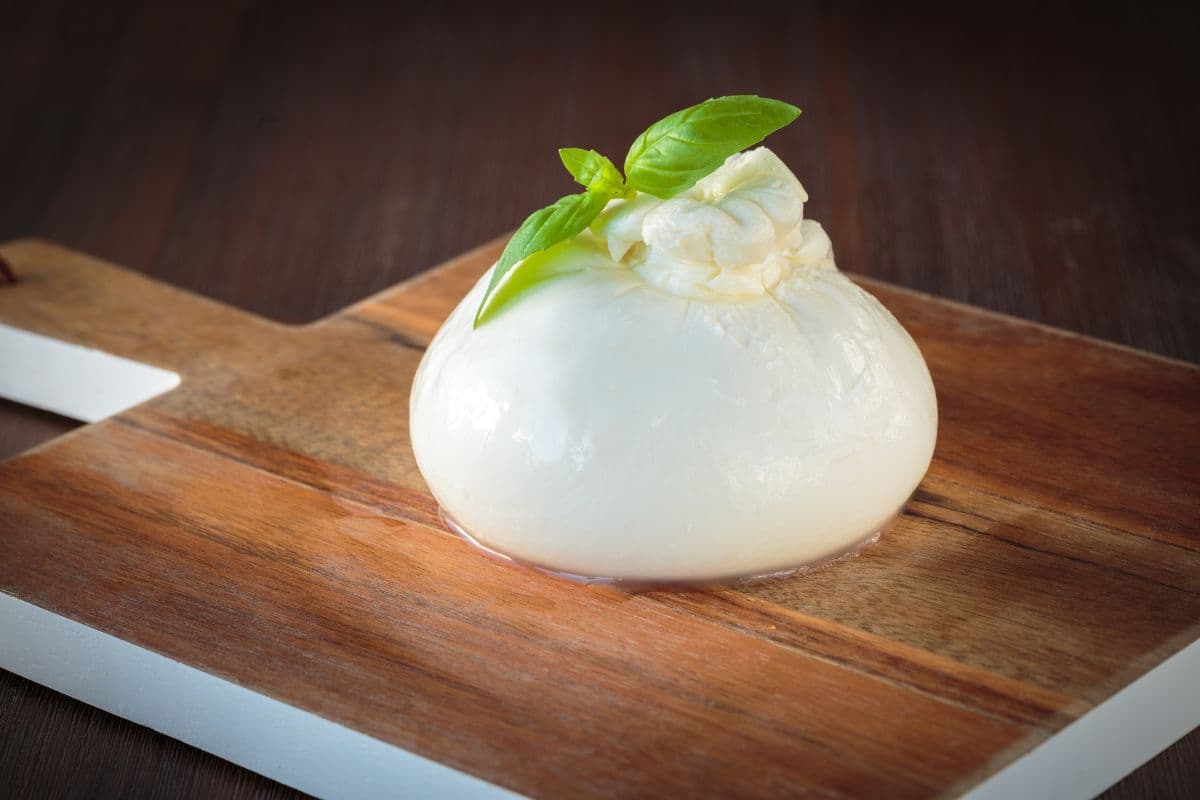
Imagine a pristine white sphere, gleaming on a plate, promising an indulgence unlike any other. With the gentle touch of a knife, its delicate shell yields, revealing a lush, creamy interior that spills out in a decadent cascade. This, my friends, is the magic of burrata, a cheese that has captivated palates worldwide and earned its place as a true Italian culinary treasure. If you're looking for a comprehensive burrata cheese guide to unlock its secrets, you've come to the right place. From its humble beginnings in Southern Italy to its starring role on contemporary menus, we'll unravel everything you need to know about this exquisitely creamy delight.
The Enchanting Origins of Burrata: A Tale from Apulia
The story of burrata is as rich and flavorful as the cheese itself, deeply rooted in the picturesque landscapes of Apulia (Puglia), a sun-drenched region in Southern Italy. While it may feel like a modern gourmet discovery, burrata’s history stretches back to the early 20th century, emerging from the ingenuity of local farmers. Faced with the practical challenge of making the most of every last drop of milk, these artisans devised a brilliant solution to utilize the leftover curds from their mozzarella production. It’s a wonderful testament to the zero-waste philosophy that has long been a hallmark of traditional Italian cuisine.
Legend has it that burrata was born out of a desire to preserve the freshness of dairy and create a product that was both delicious and practical. Farmers, skilled in the art of cheese-making, took fresh mozzarella curds, tore them into delicate shreds, and mixed them with rich cream. This luscious mixture, known as stracciatella, was then carefully encased within a pliable pouch made from stretched mozzarella. The result? A remarkably soft, creamy, and utterly irresistible cheese that quickly became a local sensation.
Apulia, with its fertile soil, ancient olive groves, and abundant agriculture, provided the perfect environment for this culinary innovation to flourish. The region's dedication to quality ingredients and time-honored techniques allowed burrata to evolve from a farmhouse staple into an iconic symbol of Italian gastronomy. For a deeper dive into its fascinating history, consider exploring The Story of Burrata: From Apulian Farms to Your Favorite Dishes.
The Art of Crafting Burrata: From Mozzarella to Melty Magic
While often compared to mozzarella, burrata’s distinct character lies in its unique crafting process. It’s a truly artisanal endeavor, a "labor of love" that requires skilled hands and a deep understanding of dairy. The creation begins much like fresh mozzarella, with cow's or buffalo's milk curds being stretched and kneaded in hot water until they become pliable and shiny. This forms the outer shell of the burrata.
However, the magic happens in the interior. Instead of forming a solid ball like mozzarella, a thin, delicate pouch is fashioned. This pouch is then filled with the aforementioned stracciatella – a luxurious concoction of fresh mozzarella shreds combined with decadent, fresh cream. The pouch is then meticulously sealed, often tied at the top with a knot or a leaf (traditionally a green asphodel leaf, though more commonly plastic-wrapped today), giving it its characteristic pear-like shape.
The interplay of textures and flavors is what elevates burrata to its legendary status. The outer mozzarella layer offers a subtle, slightly firmer chew, while the hidden stracciatella and cream within create an explosion of milky, buttery richness. When cut, the creamy heart elegantly spills forth, creating an undeniably enticing visual and an utterly captivating taste sensation. This intricate process transforms simple ingredients into a complex, multi-layered culinary experience.
What Makes Burrata So Irresistibly Unique?
At the heart of burrata's global appeal is its unparalleled sensory experience. It's more than just a cheese; it's a moment of culinary discovery with every bite. The contrast between its components is key:
- The Outer Shell: A delicate, stretched curd exterior made from fresh mozzarella, offering a mild, slightly elastic texture and a hint of fresh milk flavor.
- The Creamy Core: The true star – a luscious blend of torn mozzarella curds (stracciatella) steeped in rich, fresh cream. This filling is what gives burrata its signature ooze and decadent mouthfeel.
When you slice into a ball of burrata, the visual is arresting: the pristine white exterior gives way to a spontaneous flow of creamy goodness. The stracciatella's delicate strands add textural interest, while the surrounding cream provides an unmatched velvety smoothness. Flavor-wise, burrata bursts with notes of fresh milk, sweet cream, and a subtle tang from the mozzarella shell. It's a harmonious balance that is both delicate and profoundly satisfying.
The delightful textural contrast, from the slightly firm exterior to the yielding, molten interior, creates an engaging culinary journey. Unlike a solid mozzarella ball, burrata offers an element of surprise and an amplified creaminess that sets it apart, making it a truly distinct and cherished member of the Italian cheese family.
Nutritional Profile & Storage Tips
As a rich dairy product, burrata is naturally high in fat and calories, thanks to its creamy interior. It's an indulgence best enjoyed in moderation. Like many fresh cheeses, it provides calcium and protein, making it a delightful addition to a balanced diet.
To truly appreciate burrata, proper storage and serving are paramount. It is a fresh cheese and should be consumed within a few days of purchase for optimal flavor and texture. Keep it refrigerated in its original brine or packaging. However, for the best eating experience, always bring burrata to room temperature about 30 minutes before serving. This allows its creamy interior to soften and flow perfectly, unlocking its full aromatic and textural potential. Avoid freezing burrata, as it will significantly alter its delicate texture and creamy consistency.
A Versatile Delight: Serving and Pairing Burrata
The beauty of burrata lies not just in its exquisite taste but also in its incredible versatility. While it shines brightly in simple preparations, its creamy nature allows it to complement a vast array of flavors and dishes. Here’s a comprehensive burrata cheese guide to serving and pairing:
Simple Pleasures: Let Burrata Be the Star
Sometimes, less is more. For the purist, burrata needs little embellishment.
- Classic Italian: Drizzle generously with high-quality extra virgin olive oil, sprinkle with flaky sea salt and freshly ground black pepper, and perhaps a few fresh basil leaves. Serve with crusty bread or focaccia for scooping.
- Caprese Style: Pair with ripe, juicy heirloom tomatoes and fresh basil. A balsamic glaze can add a touch of sweetness and acidity, but sometimes just olive oil and salt are all you need.
Creative Pairings: Expanding Your Burrata Horizon
Burrata's creamy neutrality makes it an excellent canvas for more adventurous culinary explorations.
- Seasonal Salads: Incorporate burrata into vibrant salads featuring roasted vegetables (asparagus, bell peppers, zucchini), fresh figs, peaches, or strawberries. A light vinaigrette or a simple lemon dressing works wonders.
- Pasta & Pizza: Dollop burrata onto a warm pasta dish (especially with fresh tomato sauces or pesto) just before serving, allowing it to melt slightly. On pizza, add it after baking to preserve its creamy integrity.
- Bruschetta & Crostini: Spread burrata over toasted bread, then top with roasted red peppers, sun-dried tomatoes, fig jam, or prosciutto.
- Proteins: Serve alongside grilled peaches wrapped in prosciutto, or with cured meats like speck or coppa.
- Unexpected Sweetness: While typically savory, burrata can be a delightful surprise with fresh fruit like berries or melon, perhaps with a drizzle of honey or a sprinkle of toasted nuts.
Wine Pairings
To complement burrata's delicate flavor, choose wines that are light, crisp, and refreshing.
- White Wines: A crisp Sauvignon Blanc, a light-bodied Pinot Grigio, or a Vermentino from Sardinia or Liguria.
- Rosé: A dry, Provençal-style rosé is a beautiful match, especially in warmer weather.
- Sparkling Wine: Prosecco or Franciacorta can cut through the creaminess without overpowering it.
Remember, the key is to allow the burrata's inherent creaminess and subtle flavors to shine through. Avoid overly strong or spicy accompaniments that might mask its delicate profile. For more inspiration on serving and pairing, our general Burrata Cheese Guide: Origin, Uniqueness, and Serving Tips offers additional perspectives.
From its clever origins in Apulian farmhouses to its current status as a global gourmet sensation, burrata cheese offers a truly unparalleled culinary experience. Its exquisite balance of textures and flavors, from the delicate mozzarella shell to the overflowing stracciatella and cream within, makes it an unforgettable indulgence. Whether served simply with a drizzle of olive oil or as part of a more elaborate dish, burrata consistently delivers a moment of pure, creamy bliss. So, go ahead, discover burrata for yourself, and savor the unraveling of Italy’s most delightful creamy secret.
